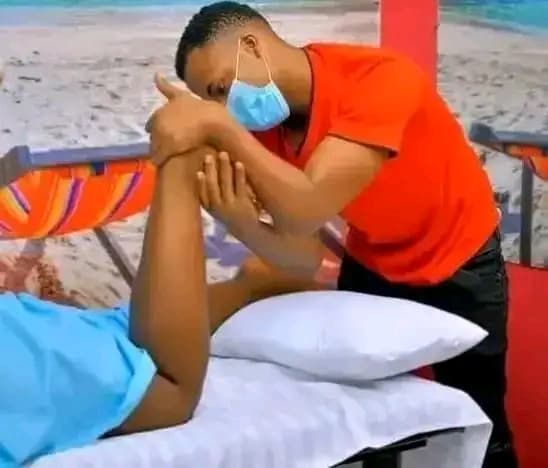
Part-time massage work in Kampala is genuinely viable because demand peaks in the evenings and at weekends — exactly when most people are off. Therapists typically work two to four sessions a week around another commitment, at roughly UGX 50,000–150,000 per session, keeping 80% on a verified platform.
Key takeaways
- Kampala's busiest booking windows are weekday evenings after 6pm and Saturday and Sunday daytime.
- Part-time works best when you fix your availability rather than trying to squeeze bookings into gaps.
- With no signup fee, no monthly fee and no tiers, an inactive week costs you nothing.
- Travel is the hidden tax on part-time work — cluster your bookings by neighbourhood or your evening disappears into boda traffic.
- You need training, a national ID for verification, and a portable kit. Not much else.
Does part-time massage work actually fit around a job?
Better than most side work, because the demand curve is on your side. Full-time employees, students and parents are free in the evening and at the weekend — and so are the clients. A spa cannot easily staff a 9pm booking in Naguru; an independent therapist can.
The catch is that part-time only works if it is predictable. Clients rebook people who are consistently available at the same times. A therapist who is bookable every Tuesday, Thursday and Saturday evening builds regulars. A therapist who is bookable whenever they happen to be free builds nothing, because nobody can plan around them.
So the first decision is not your rate. It is your hours.
Which hours are worth working?
| Window | Demand | Suits |
|---|---|---|
| Weekday 6pm–10pm | High | Anyone with a day job |
| Saturday daytime | High | Longer sessions, couples, home visits |
| Sunday afternoon and evening | Moderate to high | Recovery and relaxation bookings |
| Weekday mornings before 9am | Low to moderate | Hotel guests before meetings |
| Weekday midday | Low | Rarely worth building a schedule around |
If you can only offer one window, make it weekday evenings. If you can offer two, add Saturday. Those two cover the bulk of what people search for.
Note the practical constraint: an evening booking that starts at 7pm in Kansanga and a second at 9pm in Kisaasi is not realistic once traffic and setup are counted. Two bookings in one evening means two bookings in the same part of town.
What can you realistically earn part time?
Sessions in Kampala typically run UGX 50,000–150,000 depending on duration, travel and how specialised the treatment is. Those are market ranges, not fixed prices — a 60-minute relaxation session near your home sits low in the range; a 90-minute deep tissue outcall across town on a Friday night sits high.
Your income is simply sessions completed multiplied by what you net per session. Three sessions a week is a meaningfully different number from six, and it is entirely within your control if you set fixed hours and cluster your area.
On Velvet Africa you keep 80% of a completed booking — a flat 20% platform fee, no signup fee, no monthly fee, no tiers. That structure matters far more for part-time work than for full-time work, because a subscription-based platform quietly punishes anyone who only works six evenings a month. For the full earnings picture including costs, see what masseuses actually earn in Kampala.
Where should you work if your time is limited?
Pick a base and work outward. Dense residential areas let you do two sessions in one evening; scattered bookings do not.
- Northern corridor — Ntinda, Bukoto, Kisaasi and Kamwokya sit close together with steady residential demand.
- Eastern and southern — Bugolobi, Muyenga, Kansanga and Ggaba.
- Central — Kololo, Nakasero and Naguru, plus hotel bookings which cluster centrally.
The services by area hub shows where demand exists across the city, and outcall massage in Kampala covers how travel-based bookings work in practice.
What do you need to start?
- Training. A certificate course or documented spa experience. If you have not trained yet, the training routes in Uganda are laid out with realistic costs and durations.
- A national ID. Required for verification. You cannot take bookings without it.
- A portable kit. Folding table, several sets of clean linens, oil, sanitiser, a bag you can carry on a boda. The full cost breakdown is in massage therapist startup costs in Uganda.
- A phone with data. Confirmations, directions, and your calendar all live there.
- A clear service description. Say exactly what a session includes and what it does not. That single paragraph filters out the wrong enquiries before they reach you.
How do you manage part-time work without burning out?
Massage is physical labour. Doing it after a full day of other work has a ceiling, and pretending otherwise ends careers early.
- Cap your evening at two sessions. Three after a day job is how wrists get injured.
- Use your bodyweight, not your thumbs. Proper mechanics is the difference between doing this for years and doing it for months.
- Build a buffer between bookings. Forty-five minutes minimum in Kampala traffic, more in rainy season.
- Protect one rest day. Regular clients respect a fixed schedule; they do not respect an exhausted therapist.
- Turn availability off when you need to. No monthly fee means no penalty for a quiet week — use it.
Part-time versus a spa shift: which is better?
| Part-time spa shift | Part-time platform bookings | |
|---|---|---|
| Hours | Set by the spa | Set by you |
| Share of fee | Small share plus tips | You keep 80% |
| Client flow | Walk-ins provided | Booking requests to your profile |
| Travel | One fixed commute | Varies per booking |
| Cost when inactive | None, but you lose the shift | None — no monthly fee |
| Building your own clients | Limited | Yes, reviews attach to you |
Some therapists do both: a weekend spa shift for baseline income and evening platform bookings for the upside. There is no exclusivity requirement, so this is a legitimate strategy rather than a compromise. The trade-offs are unpacked in platform versus freelancing.
Getting paid and staying safe
Part-time therapists are the most exposed to time-wasters, because a lost evening is a large share of the week. Booking through the platform fixes most of it: the client pays upfront into escrow, the money is released after the meetup is confirmed, and a no-show is refunded automatically rather than becoming an argument. See how escrow works and the no-show refund policy.
Other habits worth keeping: confirm the address in writing before you travel, tell someone your schedule, and never move a booking into an off-platform mobile money arrangement — see mobile money scams to watch for. The platform's protections are set out on the safety and verification page.
How do you sign up?
Create a profile, verify your ID, set your services and rates, and mark only the hours you actually want to work. Requests arrive; you accept the ones that fit. Look at verified therapists currently taking bookings to see how good profiles read, then join free and keep 80%. If you want the step-by-step version, read how to apply for massage jobs in Kampala for free.
Frequently asked questions
How many hours a week do I need to commit?
There is no minimum. You set your availability and can change it whenever you like, including turning it off entirely for a week. In practice, therapists who fix two or three consistent windows — say Tuesday and Thursday evenings plus Saturday afternoon — do far better than those with scattered availability, because regular clients rebook around a schedule they can rely on.
Can I do this while employed full time?
Yes. Kampala's massage demand peaks on weekday evenings and at weekends, which is precisely when most employed people are free, so the overlap is unusually good. The practical limits are physical rather than logistical: massage is real physical work, and two sessions after a full working day is a sensible ceiling for most people, particularly once travel across the city is counted.
What does a part-time session typically pay?
Sessions in Kampala commonly range from around UGX 50,000 to 150,000 depending on duration, distance travelled and how specialised the treatment is. Those are typical market ranges rather than fixed prices. On Velvet Africa you keep 80% of a completed booking, with a flat 20% platform fee and no signup or monthly charges, so what you take home scales directly with how many sessions you complete.
Does it cost anything if I have a quiet month?
No. There is no signup fee, no monthly subscription and no tier system. If you take no bookings in a month, you pay nothing. This is the main reason the model suits part-time work: a subscription platform effectively charges you for weeks you did not work, whereas a flat percentage of completed bookings only takes a share when you have actually earned.
Do I need my own massage table?
For outcall work, effectively yes. Clients booking a home or hotel session expect you to bring the table, linens and oil. A folding table you can carry on a boda is the standard setup in Kampala. Some therapists begin with mat-based sessions to keep initial costs down and buy a table once bookings are steady, which is a reasonable way to start if cash is tight.
How do I avoid wasting an evening on a client who does not show?
Take bookings through the platform. The client pays at the time of booking and the payment sits in escrow until the meetup is confirmed, so a session is already funded before you set off. If the client fails to show, the booking is refunded automatically rather than turning into a dispute. Confirming the exact address in writing beforehand removes most of the remaining risk.